
Table of Contents
Introduction |
Shared Play in Online Casinos |
Community Growth Through Games |
Technology’s Human Touch |
Player Connections and Interaction |
Conclusion
Social Gaming Uniting Communities Through Shared Experiences
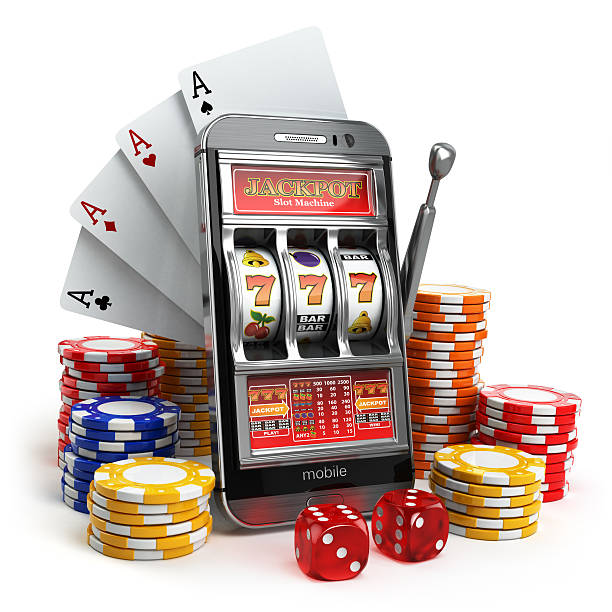
There’s something undeniably fascinating about how online casinos have evolved from solitary gaming programs to genuine community platforms. What once used to be a quiet, private pastime has turned into a shared experience where players from all corners of the world meet, talk, celebrate, and sometimes even console one another. Modern online casinos are no longer only about the roll of dice or the flashing symbols of a slot machine; they are about connection, interaction, and belonging.
When I first stumbled upon luckyonesbet.com, I wasn’t expecting anything different from the standard casino experience: a few neat slots, maybe some blackjack, and that’s it. But surprisingly, the atmosphere felt alive. There were players chatting during live games, sharing stories about quick wins and near misses. The sense of community was more than an illusion—it was real people spending time together in a virtual space that felt oddly human.
Shared Play in Online Casinos
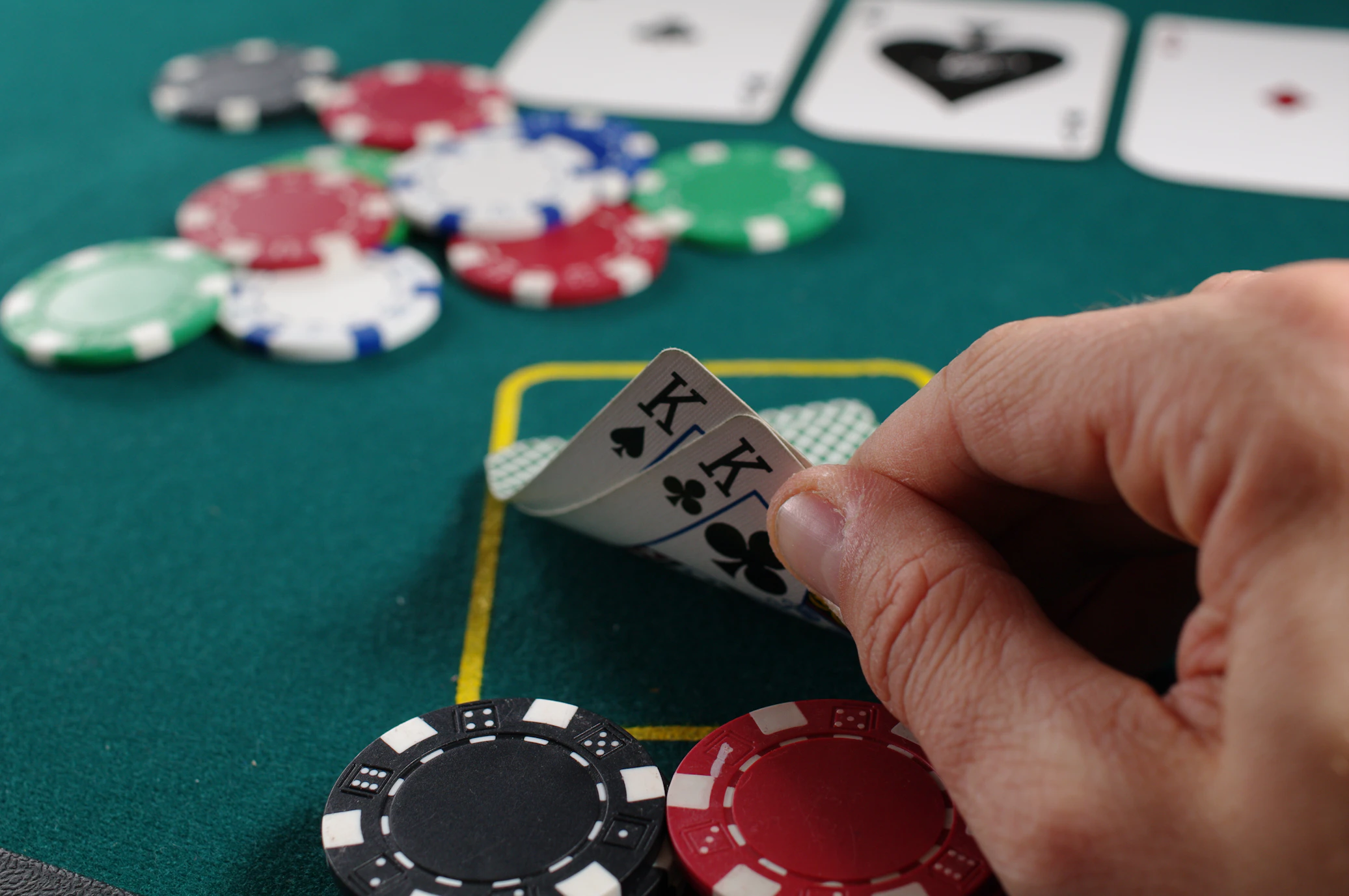
Shared play is possibly one of the most exciting aspects of this new wave of social gaming. Multiplayer poker tables, live slot challenges, and interactive tournaments draw in players who don’t simply want to play; they want to play together. I noticed something curious the other day—during a streamed roulette session, the chat wasn’t just filled with strategy discussions, but with encouragement too. It felt like a small crowd cheering each other on at a real-life table.
There’s a certain joy in that, I think. Seeing a stranger win and feeling happy for them even when you’ve lost your round, it says something about how games can soften the competitive edges and bring out a sense of camaraderie. Maybe it’s the thrill, or maybe just a shared understanding that everyone’s chasing that same little spark of luck.
Community Growth Through Games
Online casinos are no longer limited to the players themselves. They have built networks of moderators, influencers, and social media participants who expand that sense of connection beyond the platform. I’ve seen Twitch streams where casino players host interactive sessions, sharing their gameplay live and letting others join discussions in real time. It’s almost cinematic how naturally these digital interactions turn into friendships—or even collaborative strategies.
And while the casino setting is often thought of as personal or even private, digital tools like live video rooms or interactive leaderboards have made people realize that gambling doesn’t have to be isolating. It’s remarkable how easily a screen filled with slot reels turns into a conversation corner. In this modern world, digital proximity can replace physical closeness without fully losing that warmth of shared experience.
Technology’s Human Touch

Technology is at the center of this transformation. Live dealers create that bridge between automation and human interaction, allowing users to play in real time with a face they can see. Chat systems enable jokes, small talk, or even emojis that lighten up the experience. Some platforms allow group achievements where, for example, reaching a milestone unlocks shared bonuses. In a small way, this might even teach players cooperation rather than rivalry.
Hovering over one of these features—say, a community jackpot pool—might bring up tooltips like true, describing how everyone contributes to the final prize. It’s small details like that which show how designers now prioritize understanding as much as entertainment. It’s not just about spinning the reels, it’s about knowing, connecting, and growing with others who enjoy the same thrill of chance.
Player Connections and Interaction
Some players might argue the personal connection in digital gambling is still artificial. And maybe they’re a bit right. After all, a chat box and an emoji aren’t the same as laughter echoing through a real casino hall. But the intent—to engage, to share, to belong—is sincere. As someone who’s spent time exploring various platforms, I’ve realized that the community side of online casinos isn’t a side feature anymore, it’s part of the main design philosophy.
Interestingly, even the rewards system now reflects this approach. Group bonuses, invite-a-friend programs, and leaderboard-based tournaments all give players reasons to collaborate. It has grown into a network-driven, psychologically rich form of recreation that blends social play with financial risk—a combination that, while needing balance, reveals a more layered human desire behind the simple act of gambling.
Conclusion
Perhaps social gaming through online casinos is more than just an innovation of technology—it might be a reflection of our need to stay connected. In uncertain times, or even during ordinary evenings, the feeling of playing alongside someone, talking through wins and losses, and sensing that shared pulse of excitement can make a difference. Real people sit behind these screens, and that reminder gives digital casinos an oddly human heart. The games keep evolving, but maybe it’s this feeling of togetherness that keeps us all coming back, spinning for something beyond the jackpot itself.